- Mark Your Calendars for: SC Tri-Association Conference March 7-10

Tuesday
8:15 AM - 9:15 AM
Eton
Technology Enhanced Support Services
Rethinking the “Smart Building”
There is nothing inherently new about the term “Smart Building”—but does it really complete the picture?
Yes, data collected from existing building sensors can be used to optimize operations and reduce energy costs. That capability is well understood and widely implemented. However, I propose that this approach does not go far enough.
When we look beyond environmental controls and energy efficiency, a far richer opportunity emerges. By leveraging space management and occupancy data, maintenance activities can be scheduled precisely when rooms are not in use. More importantly, these same datasets can be used predictively. What if we could anticipate when restrooms need servicing, when trash collection is required, or when high traffic areas will need attention—before issues arise?
This presentation explores the next evolution of smart buildings: using technology and data intelligence not just to run buildings efficiently, but to enhance and optimize the support services that keep them operating seamlessly every day.
Collecting data on how the building is used is the first step toward gaining a clear understanding of its operation.
Data Quality and classification.
Training the system
Reduce operational workload through insights into building and space utilization
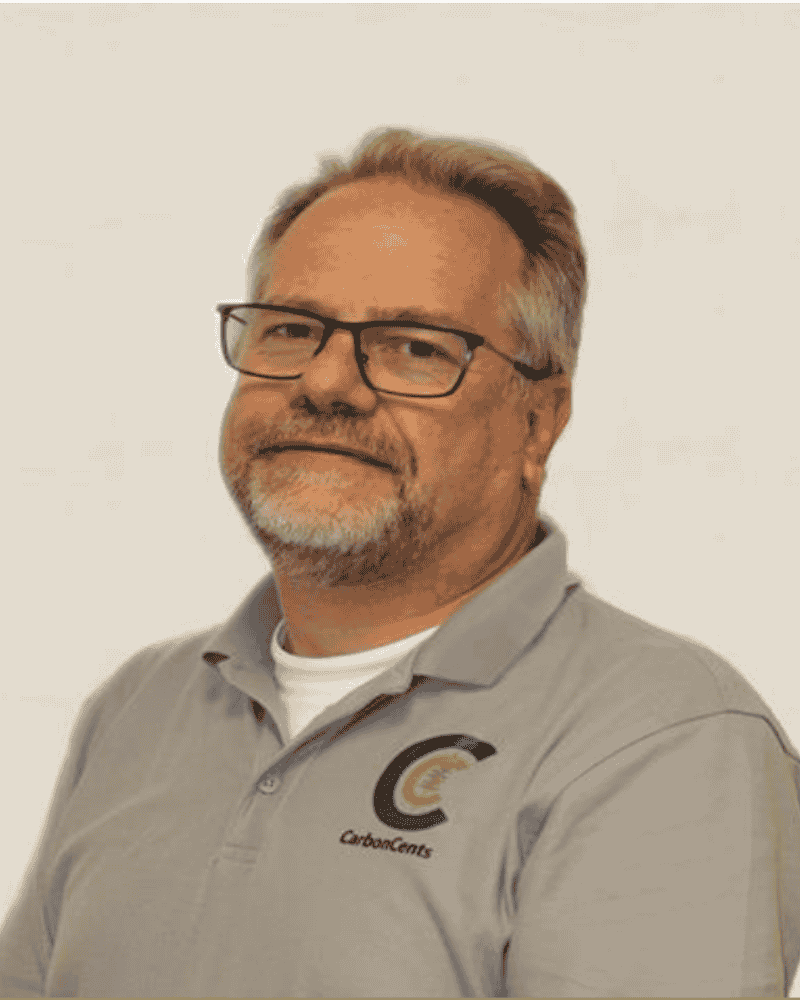
Tim Howard
CEO
CarbonCents, INc.
Tim Howard currently serves as the Co-founder and CEO of CarbonCents, Inc.
Howard has held previous roles within the Watt Family Innovation Center of Program Manager, where he led the Innovation Center Electronic System Developments, and Project Manager, where he managed up to six projects concurrently. Projects ranged from system implementation, technology implementation, to student mentoring. Tim has also served on the leadership team for the Clemson Energy Visualization and Analytics Center (CEVAC) since 2019.
Previously, Howard was the Director of Corporate Quality for Infor Global Solutions for 8 years, where he became a certified American Society for Quality (ASQ) auditor and was responsible for conducting both internal and external quality audits. His responsibilities also included managing the automation team responsible for testing the various software products, reducing the test time from 2 weeks to 8 hours.
More Sessions
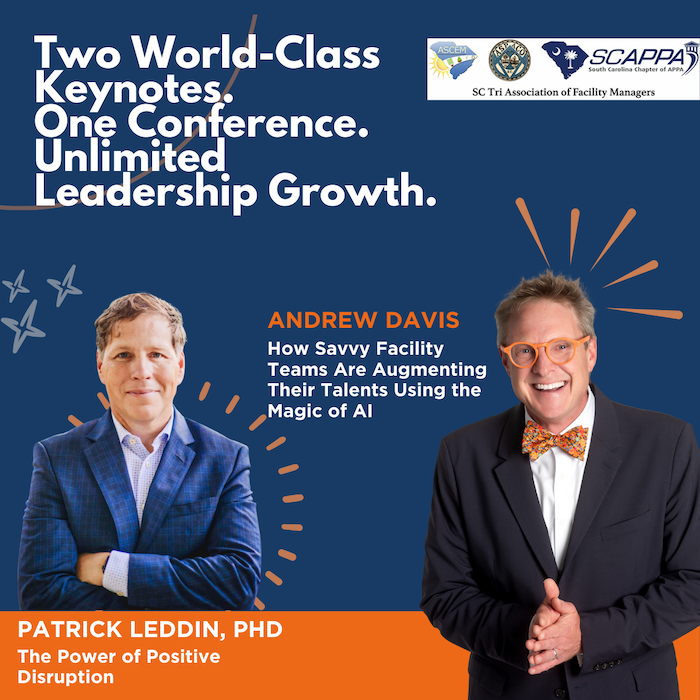
Be Sure to Catch our Featured Keynote Speakers
Sessions Details
Myrtle Beach, SC | March 8-11, 2026
This conference equips you, as facilities professionals, with the latest knowledge and best practices, ensuring your institution remains at the forefront of innovation and compliance.